
Heritage Of Our Products
Our hand-hewn timbers are reclaimed from historic barns built by the first settlers who shaped North America. Hewn from ancient virgin-growth trees, each beam bears the distinctive marks of an adze or broad axe, preserving textures that no machine could ever replicate. The result is an authentic, one-of-a-kind material—rich in heritage, depth, and timeless elegance.
Antique Hand-hewn Timbers
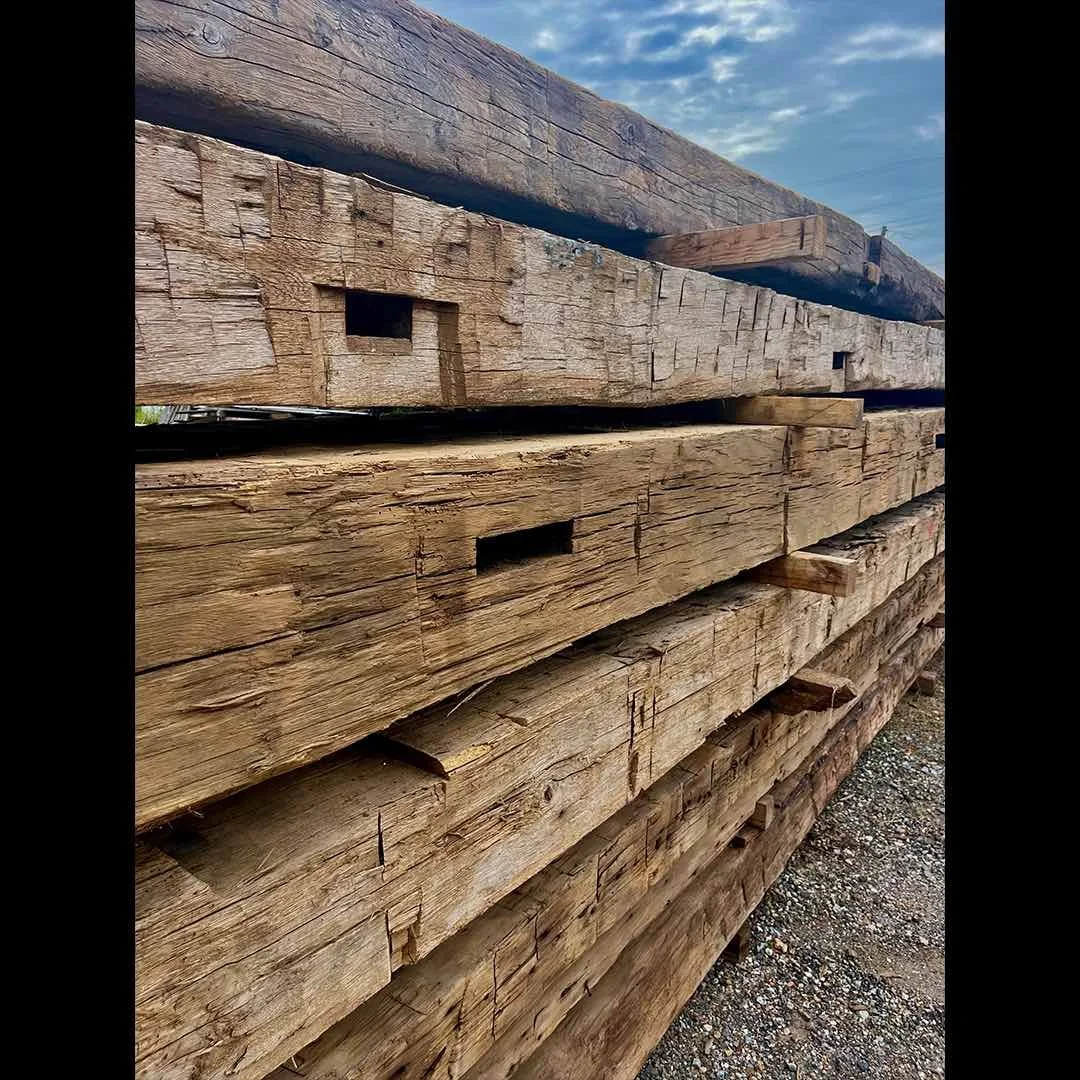
The marks etched by the adzes and broad axes tell the story of the first settlers, bearing testament to the sweat and toil of those who came before us.
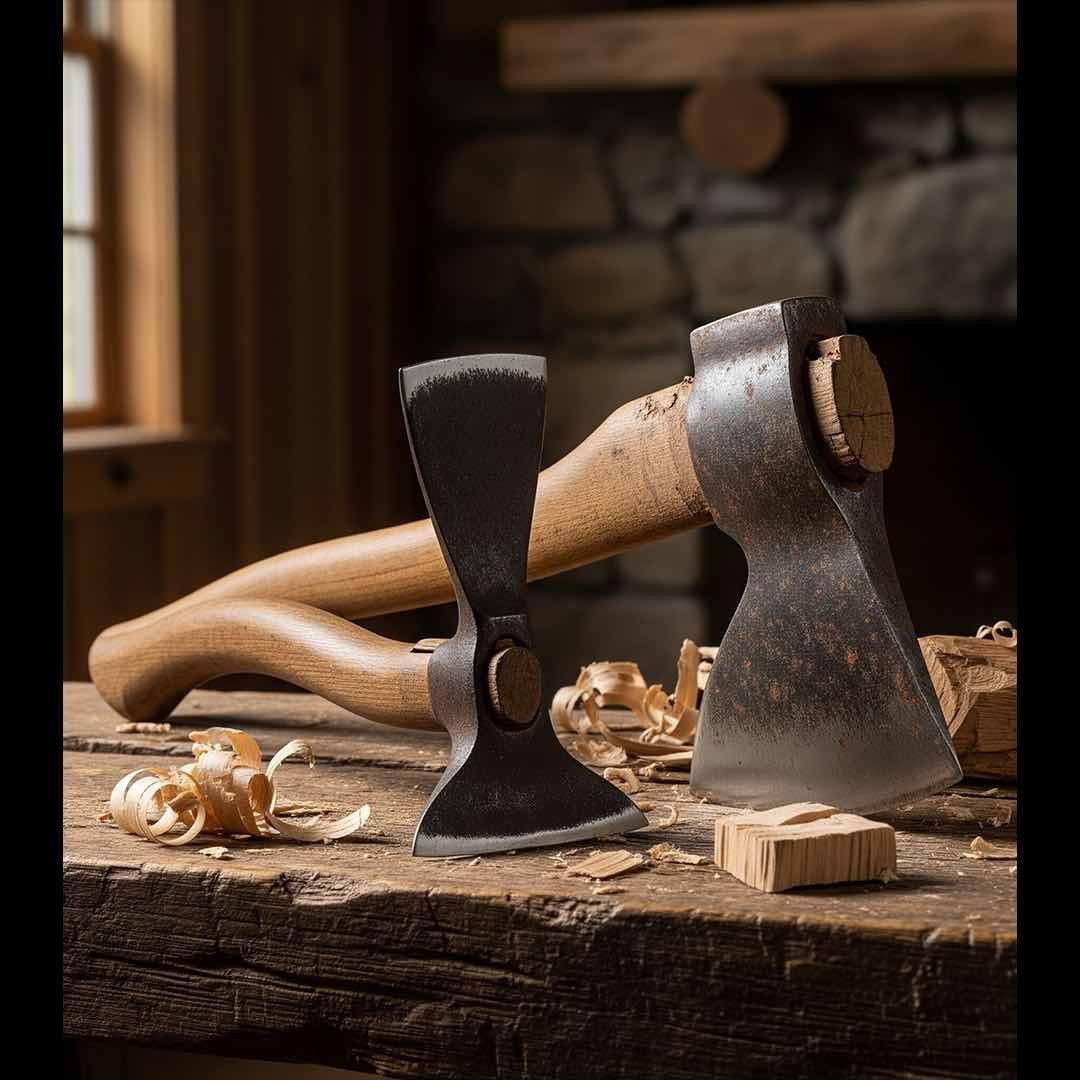
Every piece tells a story of craftsmanship, resilience, and the will to endure the challenges faced by the first settlers and bears testament to our journey and a reminder of the enduring strengths of our heritage.
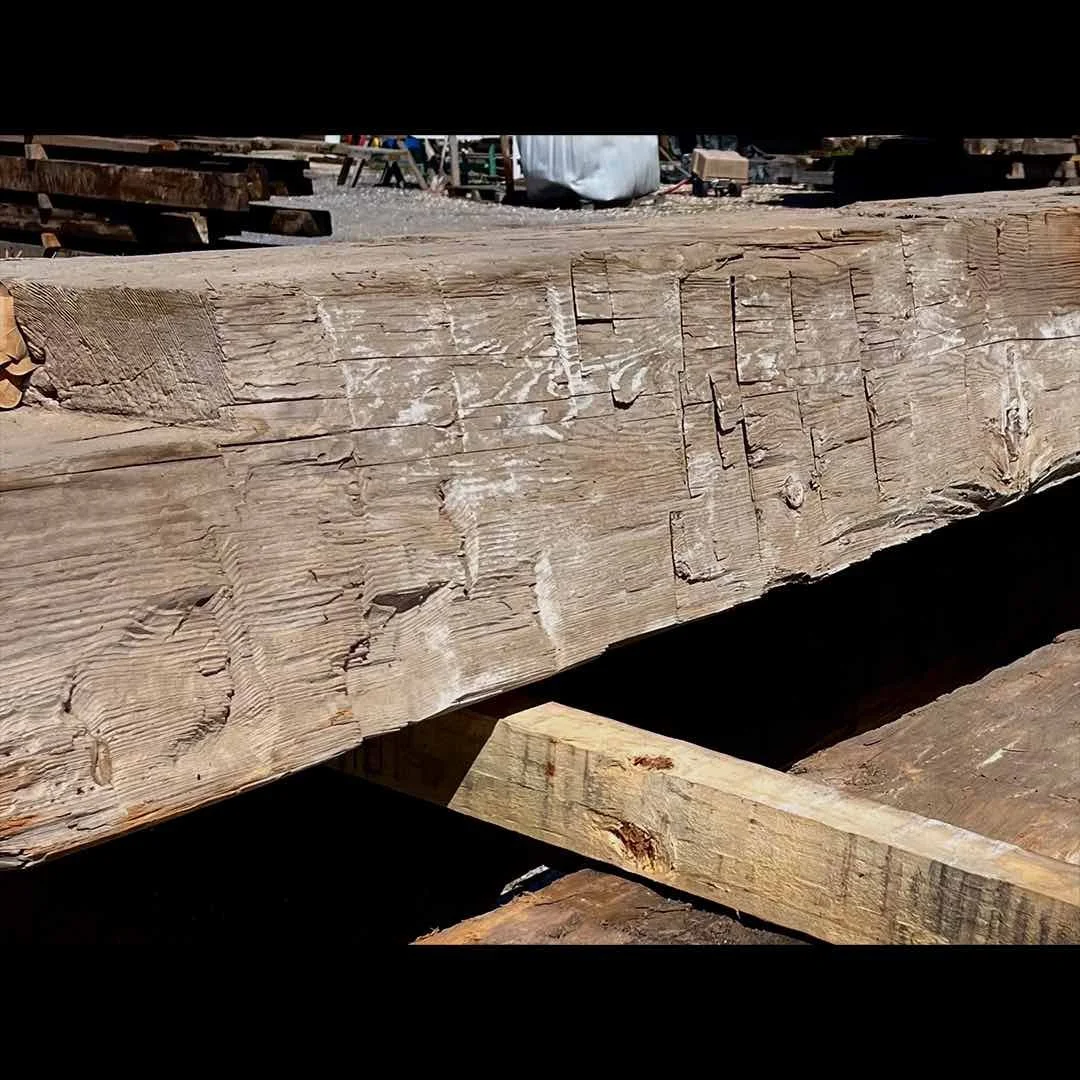
Each material is thoughtfully salvaged to retain its authentic character and beauty.
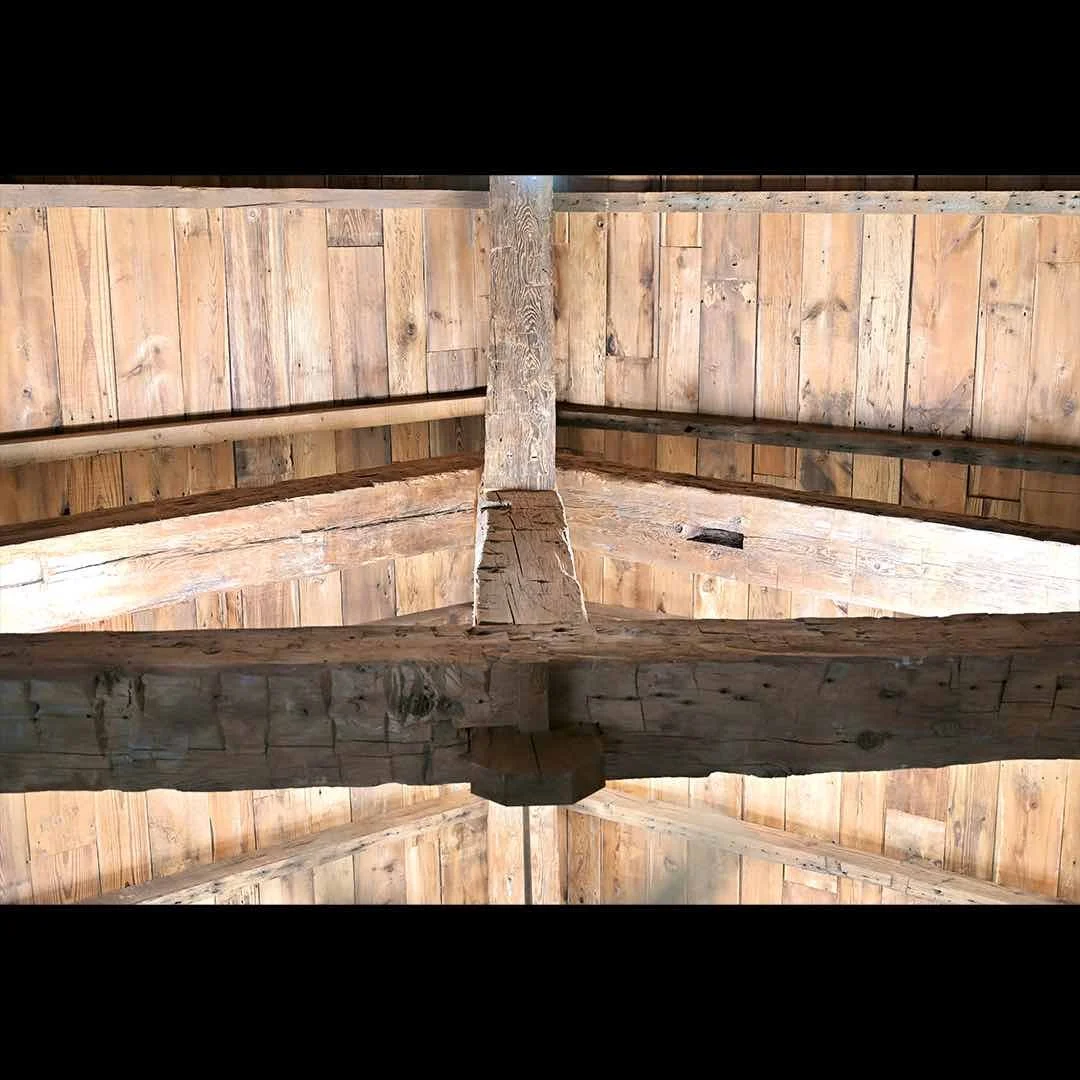

Antique Industrial Timbers
The virgin longleaf pine was the backbone of America’s Industrial Revolution. Prized for its exceptional strength, hardness, and resilience, it became the material of choice for construction. Its high resin content made it naturally resistant to rot and pests, while its tall, straight growth produced beams free from defects.
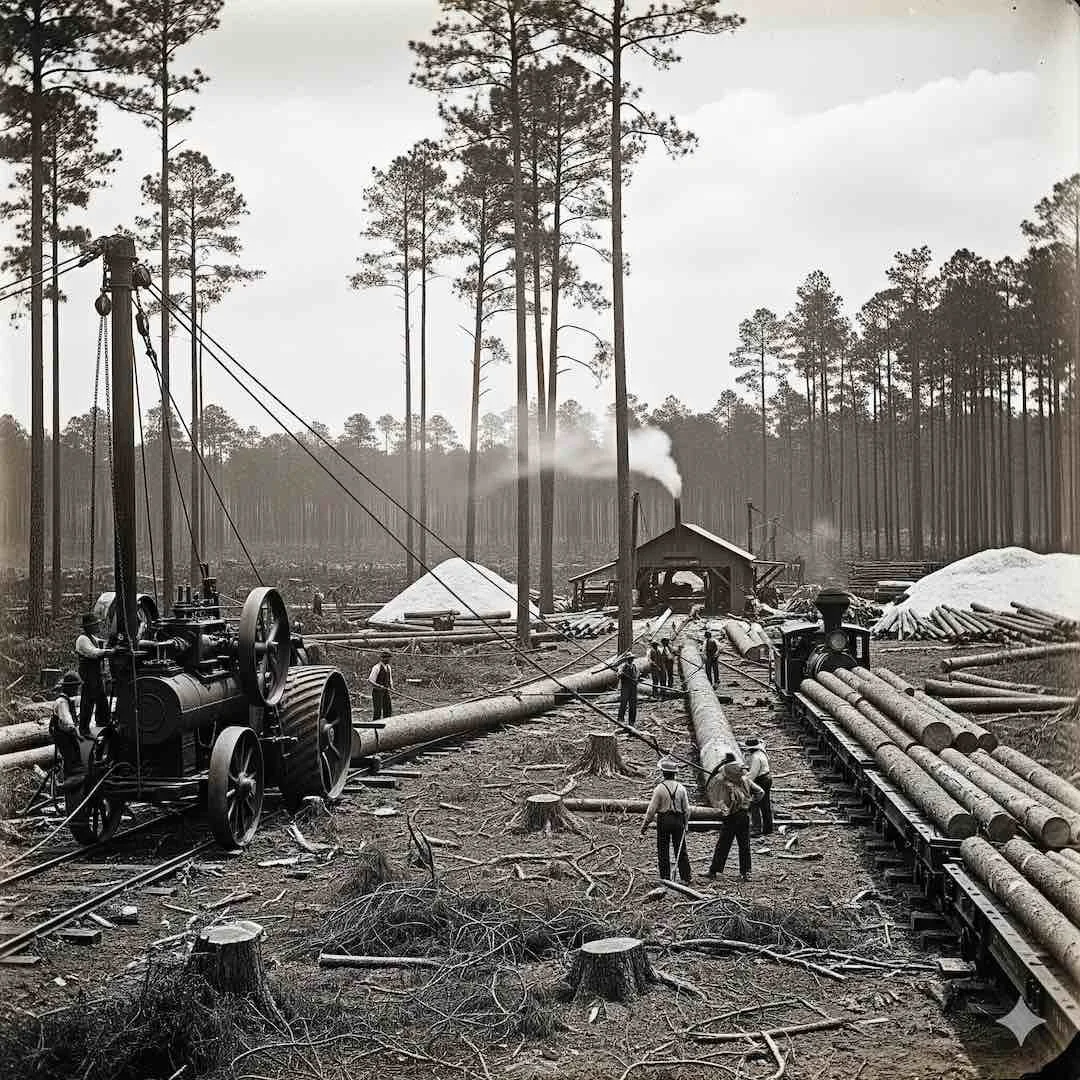
By the mid-19th century, soaring demand for railroads, post–Civil War construction, factories, warehouses, and other large-scale infrastructure led to the rapid mechanization of longleaf pine logging. This, in turn, caused the widespread deforestation of once-vast virgin forests.
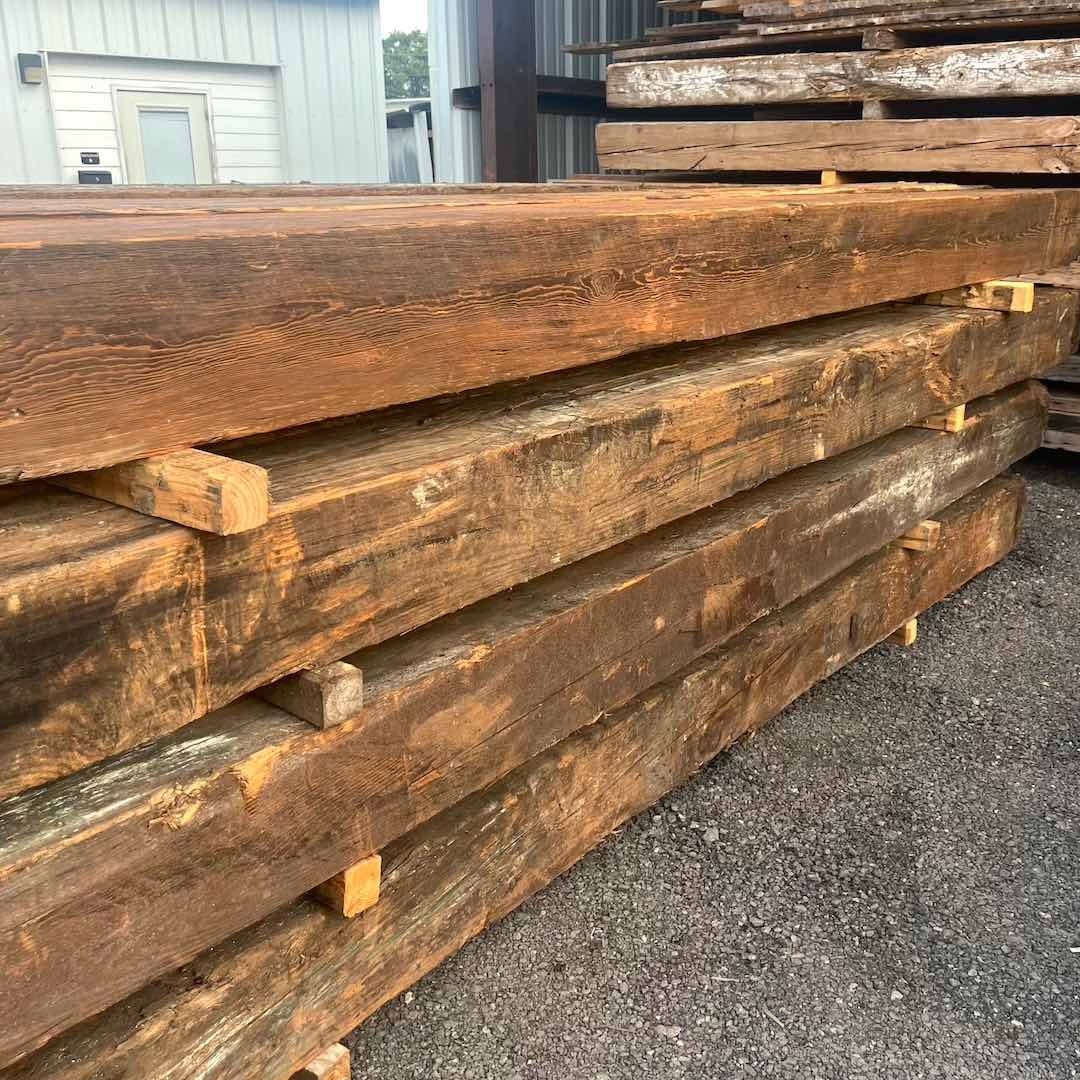
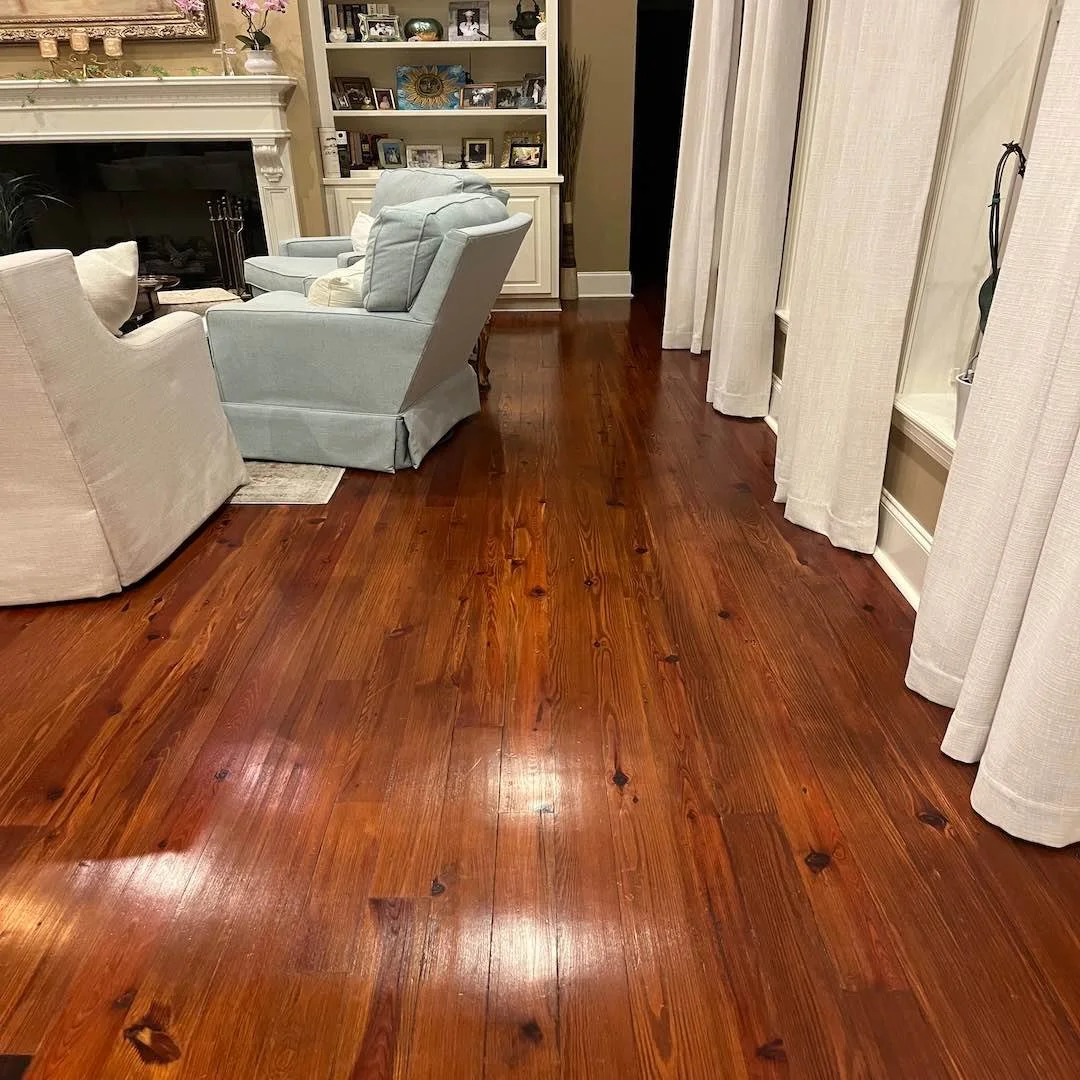
Today, antique heart pine—salvaged from those historic timbers—is highly sought after for premium flooring and architectural features, valued for its beauty, rarity, and enduring strength.
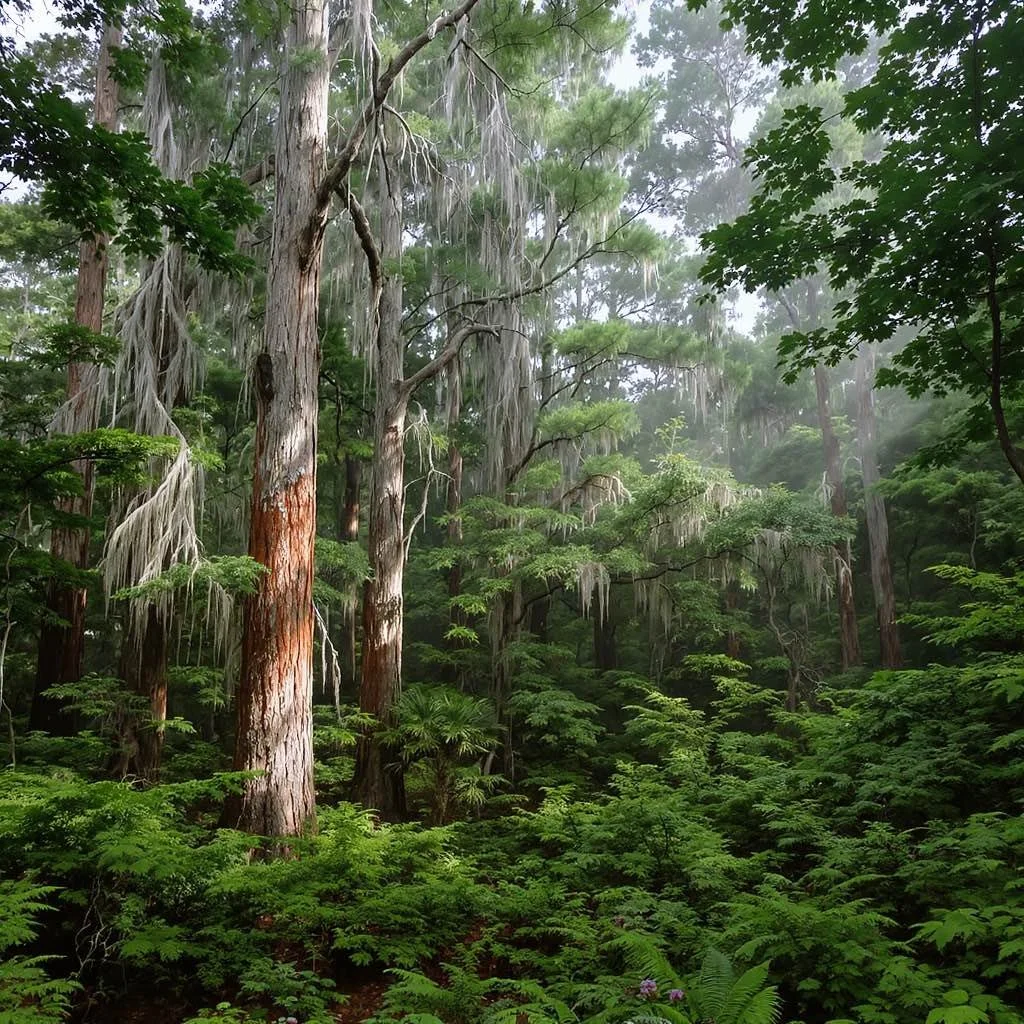
“Old-growth” or “Virgin-growth” trees of varied species originate from untouched primary or old-growth forests that evolved naturally over centuries. Early settlers relied on the strength and durability of these timbers to build their homes, barns, and communities. Over time, widespread harvesting drove these forests to the brink of extinction.
Our mission is to reclaim and repurpose these rare materials—allowing their exceptional quality and timeless character to live on—while helping preserve the few remnants of them in the forest and honoring the heritage of those who came before us.
Product Species
Antique Longleaf Pine
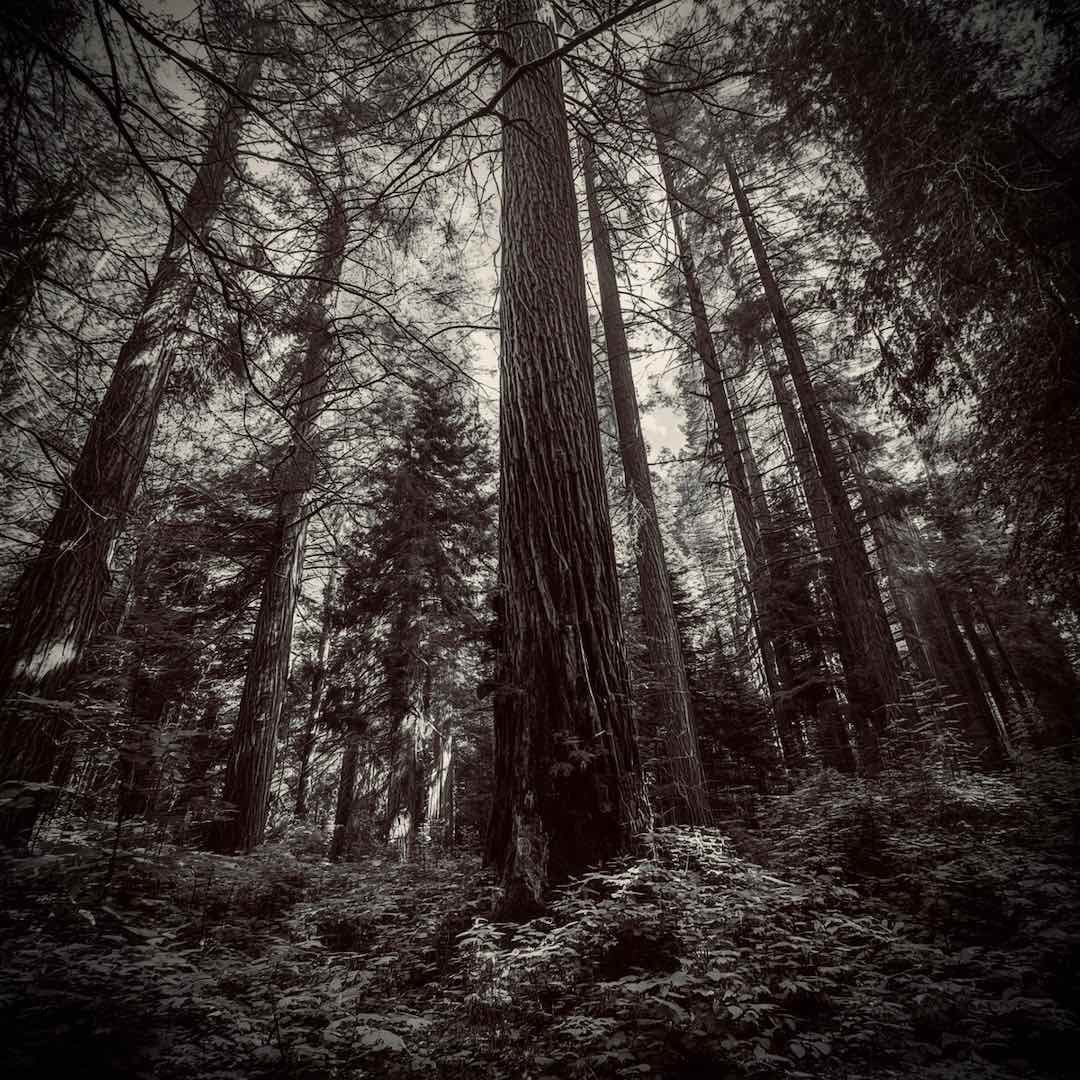
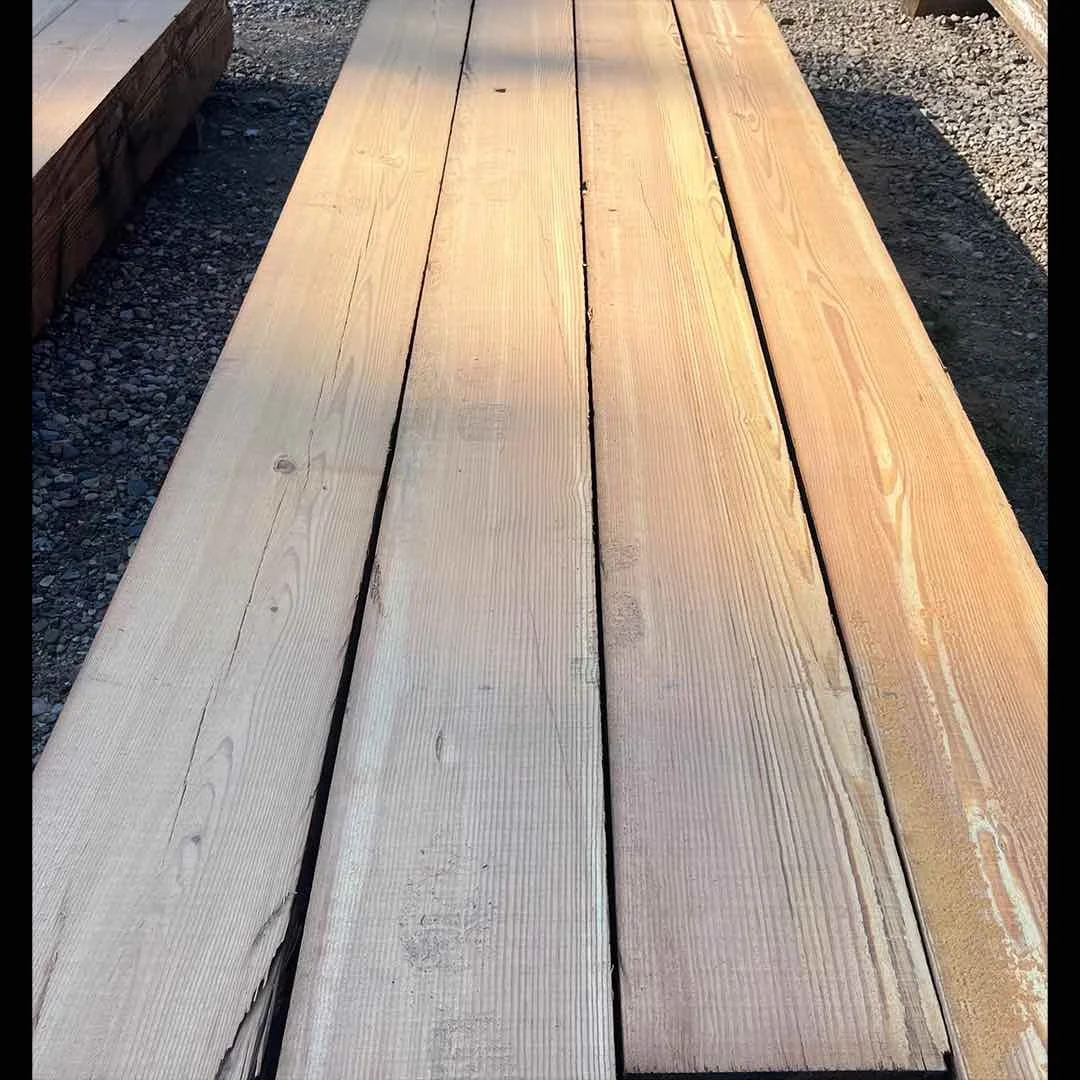
Old-growth longleaf pines are ancient trees that can live for 400 to 500 years. Their slow growth produces extremely dense rings, making the wood exceptionally strong and ideal for construction.
Once abundant across the forests of the southeastern United States, these trees became exceedingly rare after intensive logging in the mid-19th century.
Today, we can still benefit from the superior quality of this remarkable timber by reclaiming antique longleaf pine—while helping to preserve the remaining longleaf pine forests for future generations.
Antique Cypress
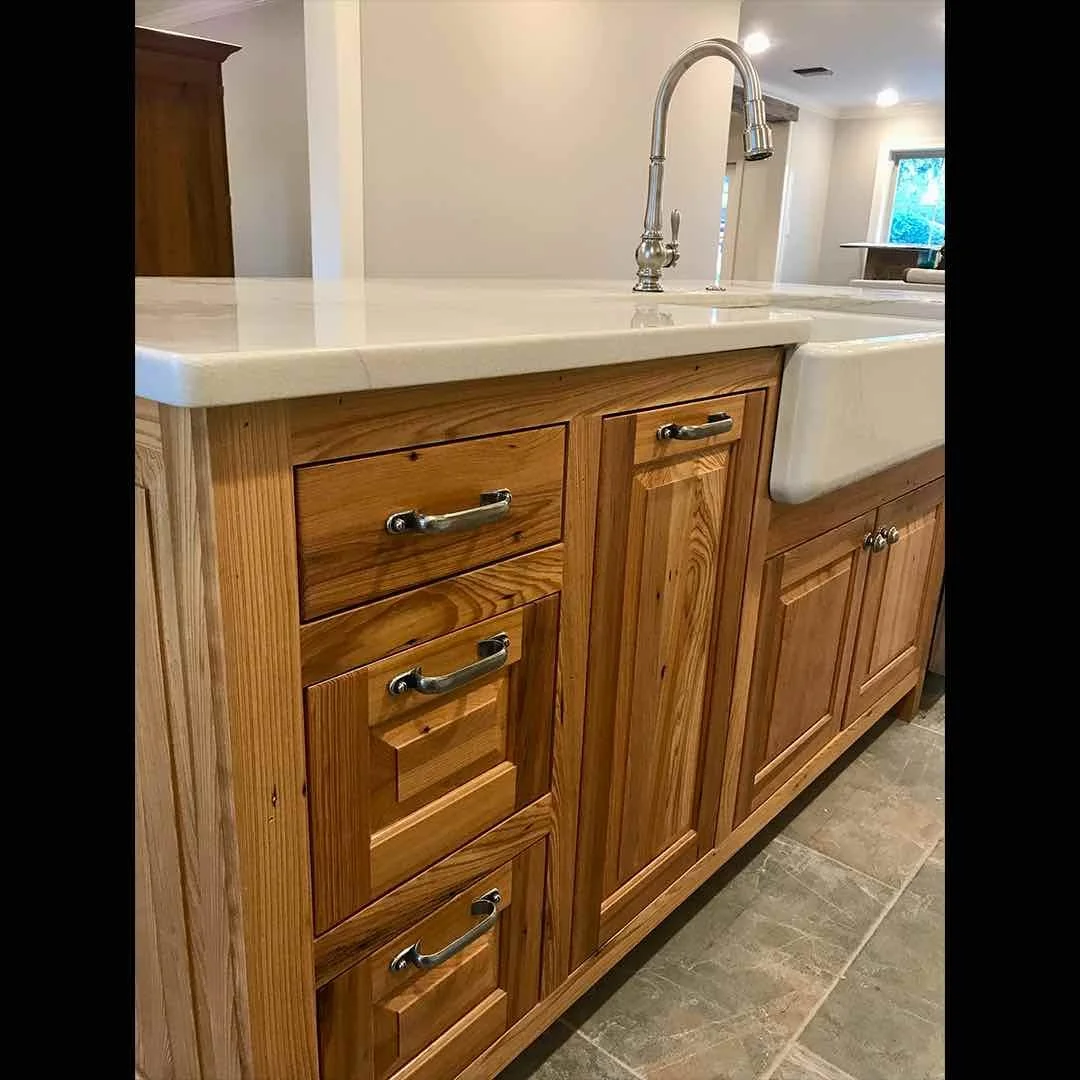
Our antique cypress are reclaimed from old houses and barns that were built using “virgin-growth” cypress. “Virgin-growth cypress” refers to the towering bald cypress trees that once dominated the ancient forests, long before the heavy logging of the 1700 and 1800s. Today, only remnants of these giants remain.
Also known as tide water red cypress they are characterized by their decay resistant quality due to high content of cypress oil that are accumulated over centuries of slow growth. The high oil content naturally repels insects.
Their straight growth, excellent qualities, longevity, color and unique pattern is highly sought after materials for woodworking, furnitures and restorations.
Reclaimed White Pine/ The “King’s Wood”
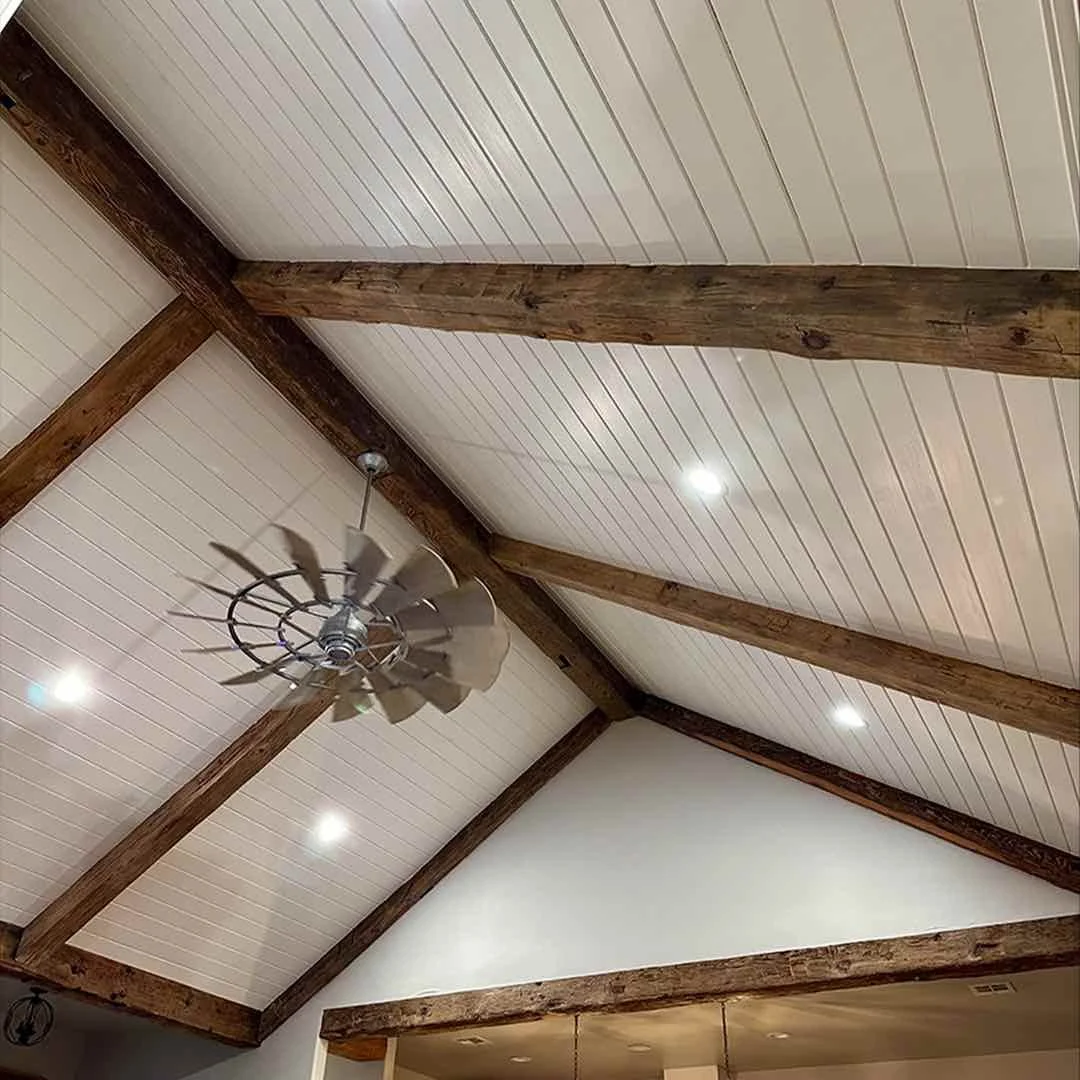
Virgin-growth white pines are massive, centuries-old Eastern White Pines that once thrived in pre-industrial forests before large-scale logging. In colonial times, the tallest and straightest of these trees were known as the ‘King’s Wood,’ as British law reserved them—marked with the ‘King’s Broad Arrow’—exclusively for the Royal Navy’s ship masts.
Today, only a few remain in scattered, protected areas, valued for both their rarity and historical significance.
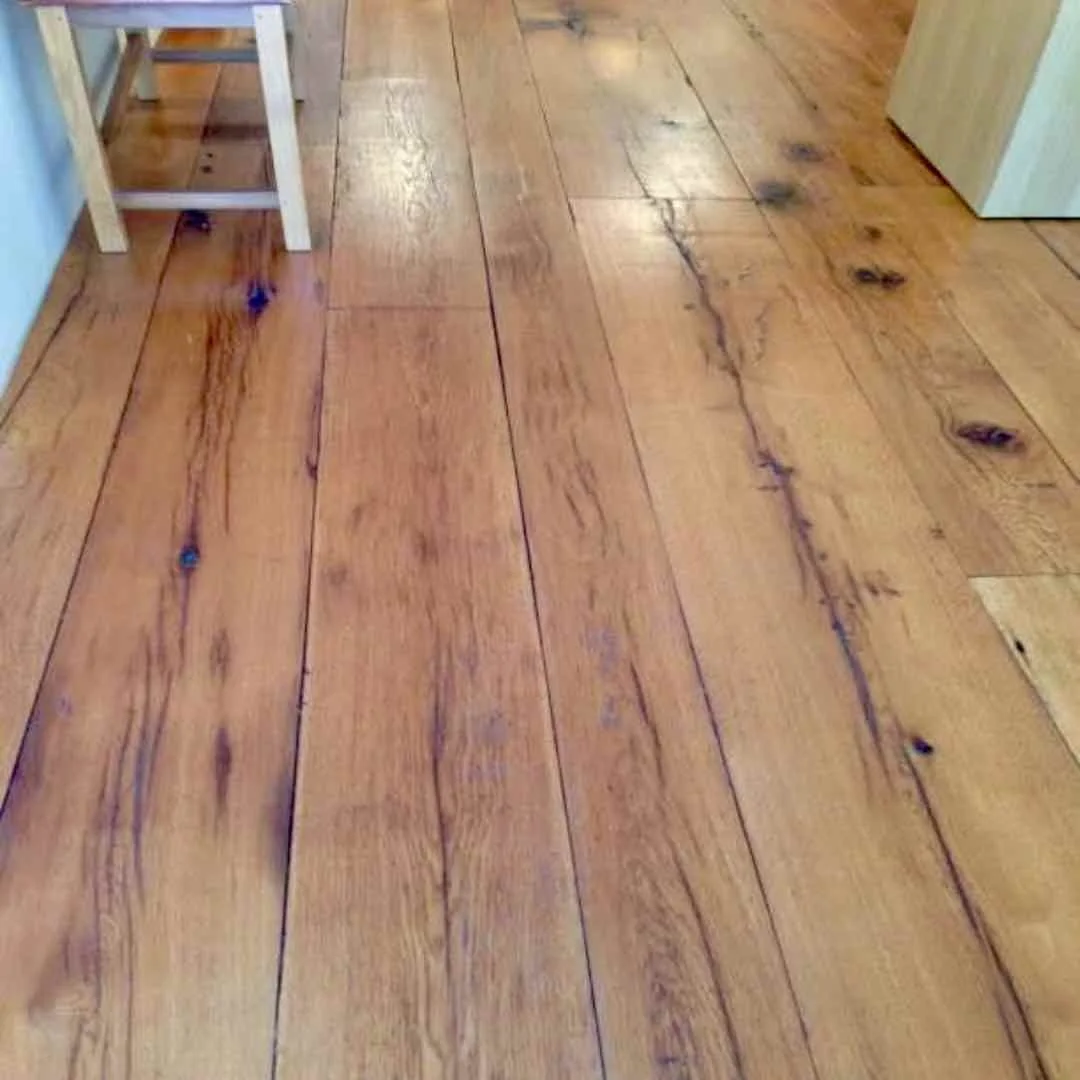
Antique White Oak
Virgin-growth oak trees are characterized by their slow rate of growth, which produces dense, tight annual rings. This slow development creates a higher concentration of heartwood—the most durable and long-lasting part of the tree. As a result, virgin-growth oak is naturally resistant to decay and wear, offering exceptional strength and resilience. Beyond its durability, the wood is prized for its deep, rich color and distinctive grain patterns, giving it timeless beauty in design.
Because these trees are no longer abundant, reclaimed antique virgin-growth white oak is considered highly valuable. To craftsmen, it represents not only superior quality and longevity but also a tangible connection to heritage and tradition.
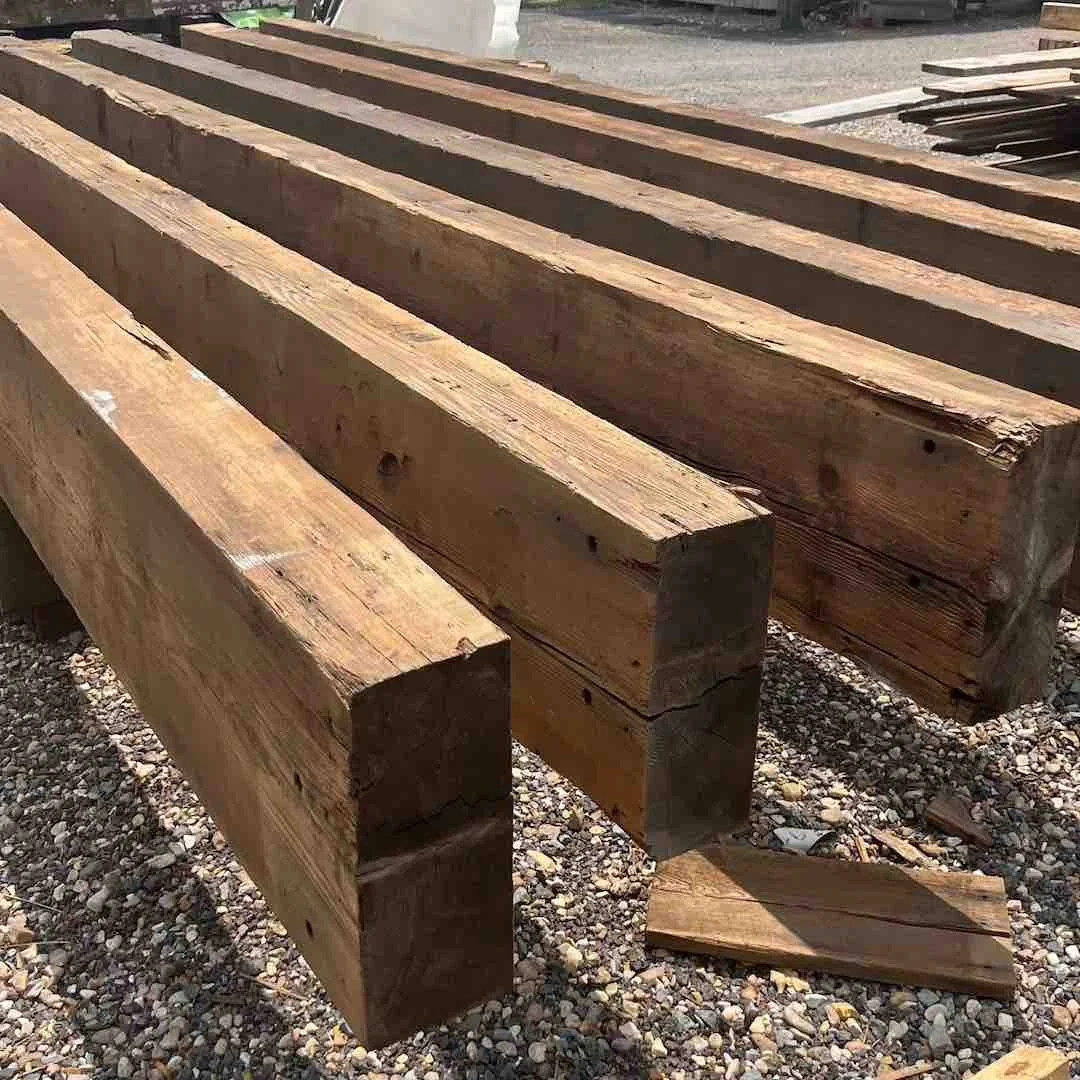
Antique Douglas Fir
This virgin-growth lumber are reclaimed from old structures built with Douglas Fir that once thrived in fully stocked, mature forests. Competing for resources over centuries, these trees developed remarkable resilience. The resulting old-growth timber features dense, tight, straight vertical grain, giving it exceptional durability, rot resistance, and dimensional stability.
Its strength and stiffness allow it to withstand heavy loads and structural pressure with minimal risk of splitting or warping, yet it remains highly workable and easy to shape.
Visually, this lumber is equally impressive, with a distinctive appearance marked by light brown, yellow, or reddish hues, accented by darker growth rings and a striking contrast between earlywood and latewood bands.
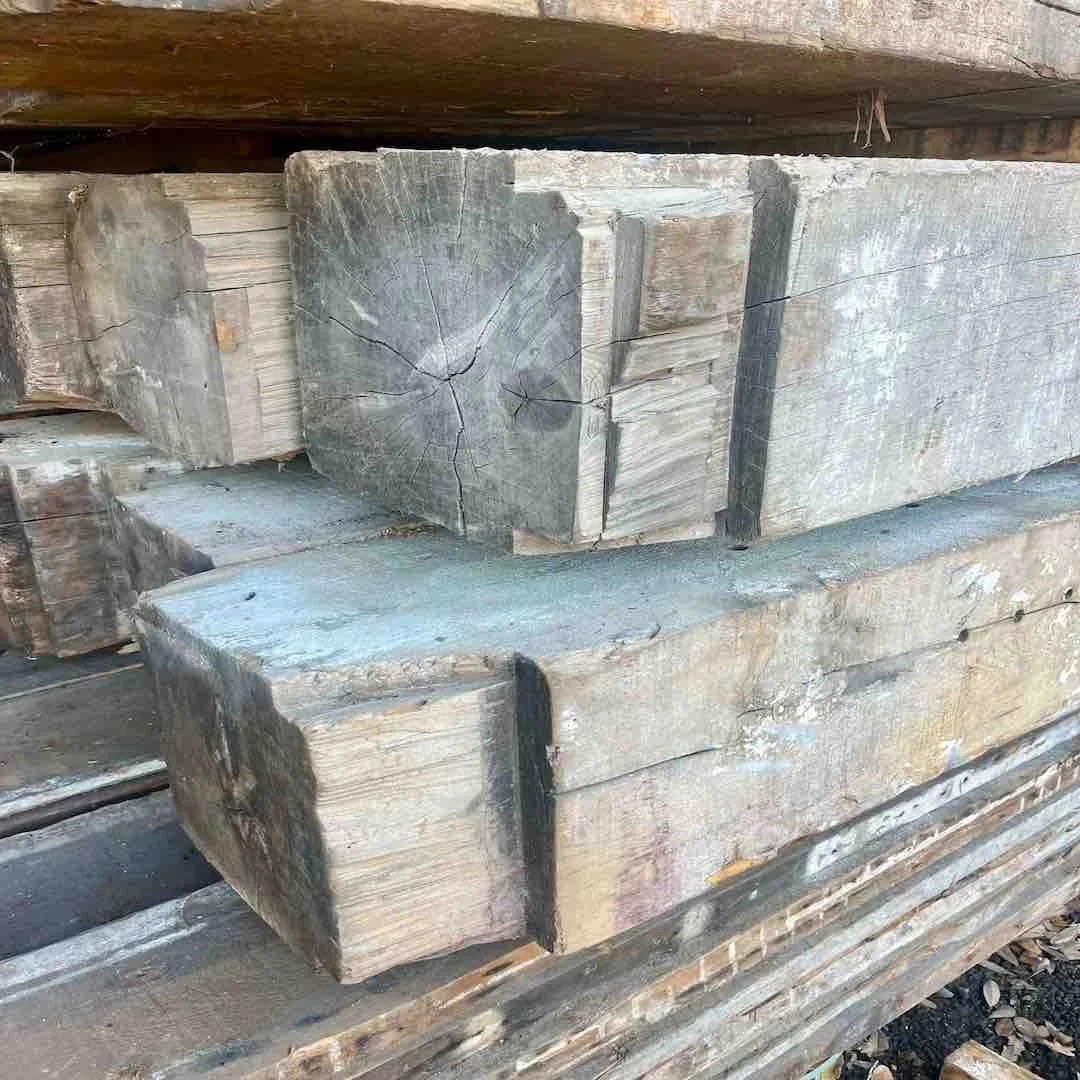
Antique Poplar
Antique poplar is old-growth timber that was harvested nearly to extinction by the early 20th century, making it exceptionally rare today. It was once highly sought after for its versatility, commonly used in house framing, exterior rims, and window sashes. Historically, poplar was also prized for dugout canoes, valued for its natural resistance to decay.
Today, one of the few remaining sources of this rare material is the reclamation of old barns and historic structures.
Like other old-growth lumber, antique poplar offers a level of quality that cannot be matched by modern growth. Its tight growth rings provide superior durability, strength, and stability. Thanks to this density, the wood withstands moisture changes with minimal risk of warping, twisting, or shrinking.
Antique Hemlock
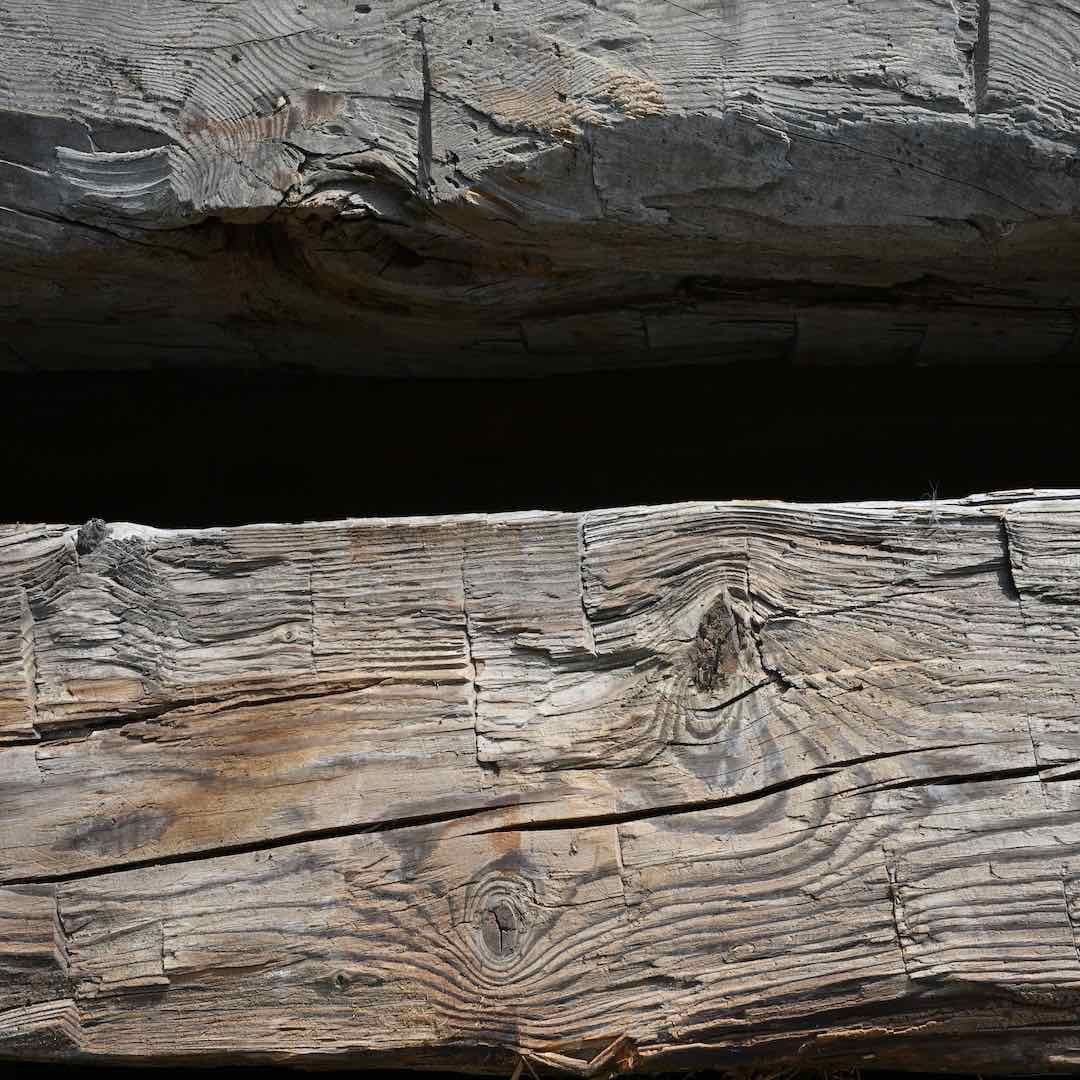
Virgin-growth hemlock lumber is moderately stiff and hard, with an uneven texture that makes it prone to splitting when worked with tools. Nevertheless, it is highly valued for its excellent resistance to rot and wear, making it well-suited for exterior applications. Stable and durable, it shares a similar appearance to red cypress and offers a cost-effective alternative to antique red cypress.
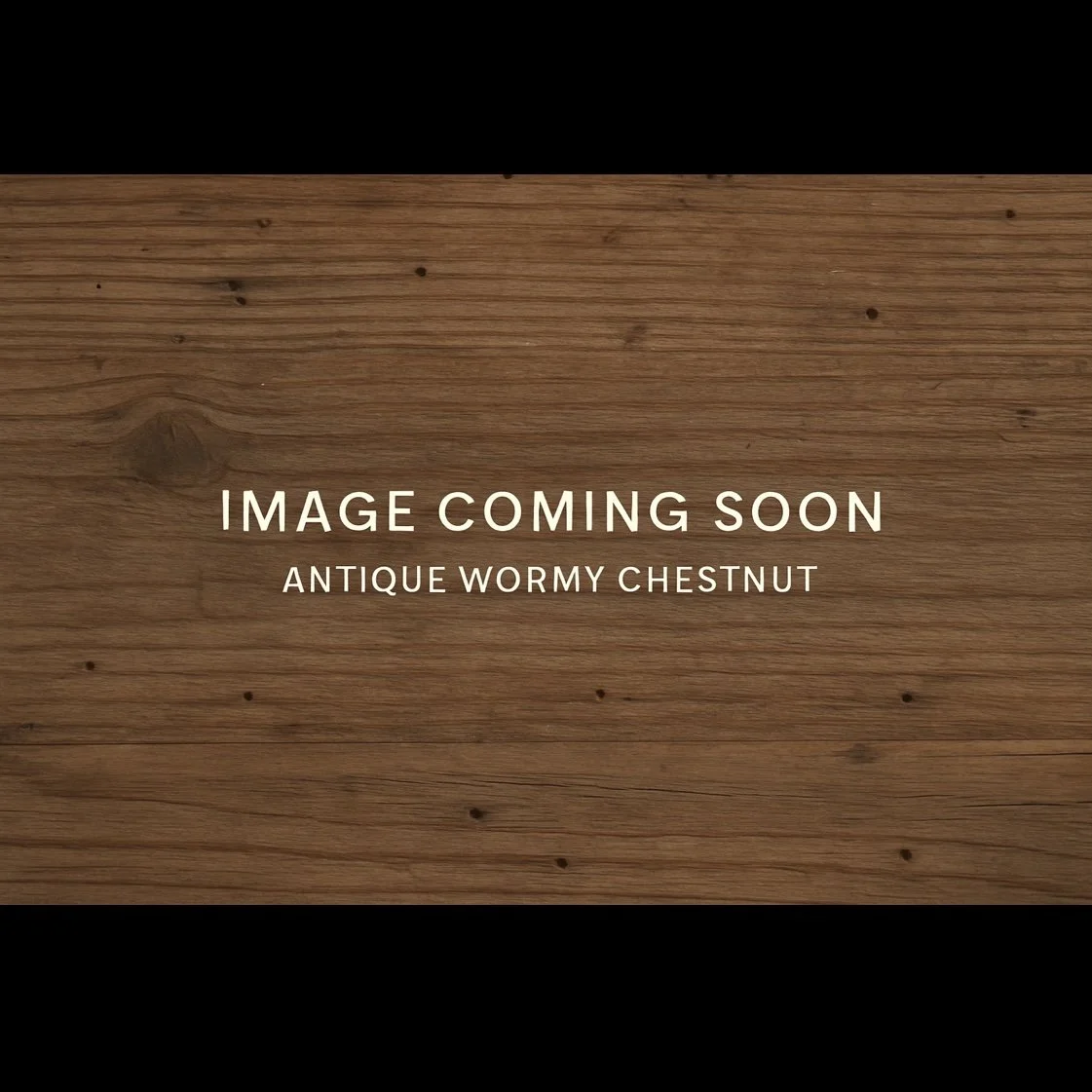
Antique Wormy Chestnut
In the early 20th century, virgin-growth American chestnut trees were wiped out by a devastating disease known as the American Chestnut Blight. First introduced in 1904 through a non-native fungus, the blight spread rapidly and exterminated billions of trees across the eastern United States. Today, authentic antique chestnut lumber can only be obtained through careful reclamation.
What makes reclaimed chestnut truly distinctive are the tiny pinholes left behind by insects that once bored into the blight-killed trees, lending the wood its unmistakable rustic character. Though classified as a soft hardwood, chestnut is valued for its natural durability and resistance to decay. Its timeless beauty makes it a popular choice for flooring, furniture, and other applications where antique warmth and unique charm are desired.